Project: Multisectoral Response to Internally Displaced Persons (IDPs) in Debre Birhan
Sector: Camp Coordination and Camp Management (CCCM) and Emergency Shelter/Non-Food Items (ES/NFI)
Location: China IDP Camp, Ayer Hail Kebele, Debre Birhan Town Administration, North Shewa Zone, Amhara Region
Donor: Ethiopia Humanitarian Fund (EHF)
Restoring More Than Shelters
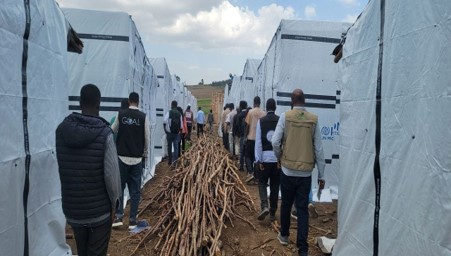
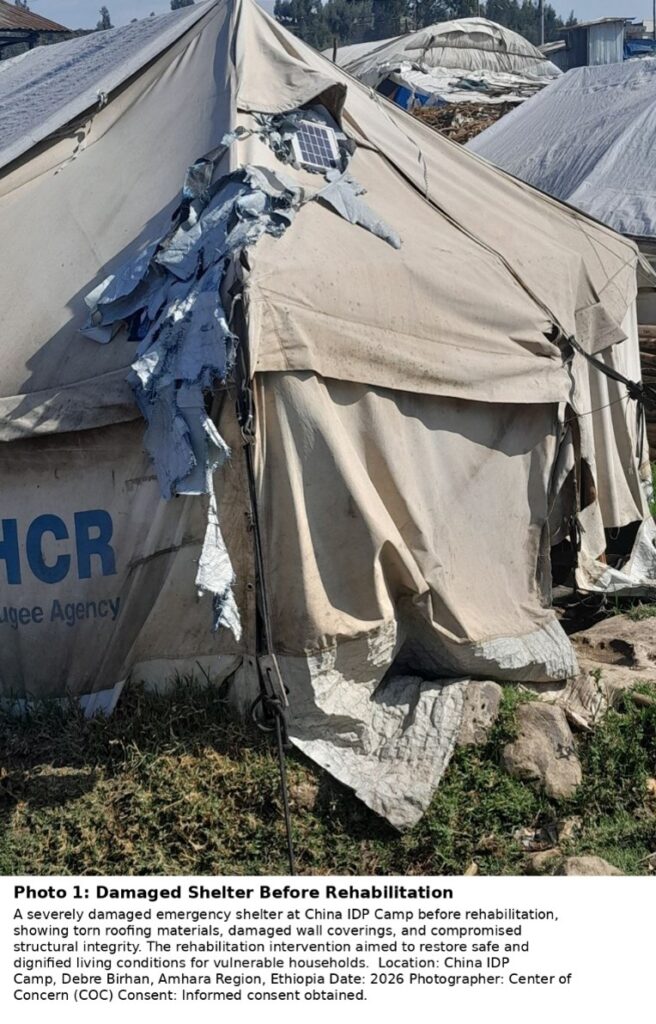
For hundreds of internally displaced people living at China IDP Camp in Debre Birhan, years of displacement had taken a heavy toll on the temporary shelters they called home. Constructed as emergency accommodation, many of the shelters had deteriorated after prolonged exposure to heavy rainfall, strong winds, and harsh weather conditions. Damaged roofs, weakened walls, broken doors, and unstable structural frames left families exposed to rain, cold temperatures, and significant protection risks.
Women, children, older persons, and people with disabilities were among those most affected. During every rainy season, families struggled to keep bedding, clothing, food supplies, and children’s educational materials dry. Water seeped into shelters, creating damp living conditions that contributed to respiratory illnesses and other health concerns. Weak and partially open shelters also reduced privacy and increased protection concerns, particularly for women and girls. Through regular camp coordination meetings, community representatives repeatedly raised these challenges and called for urgent action before shelter conditions deteriorated further.
A Community-Centered Response
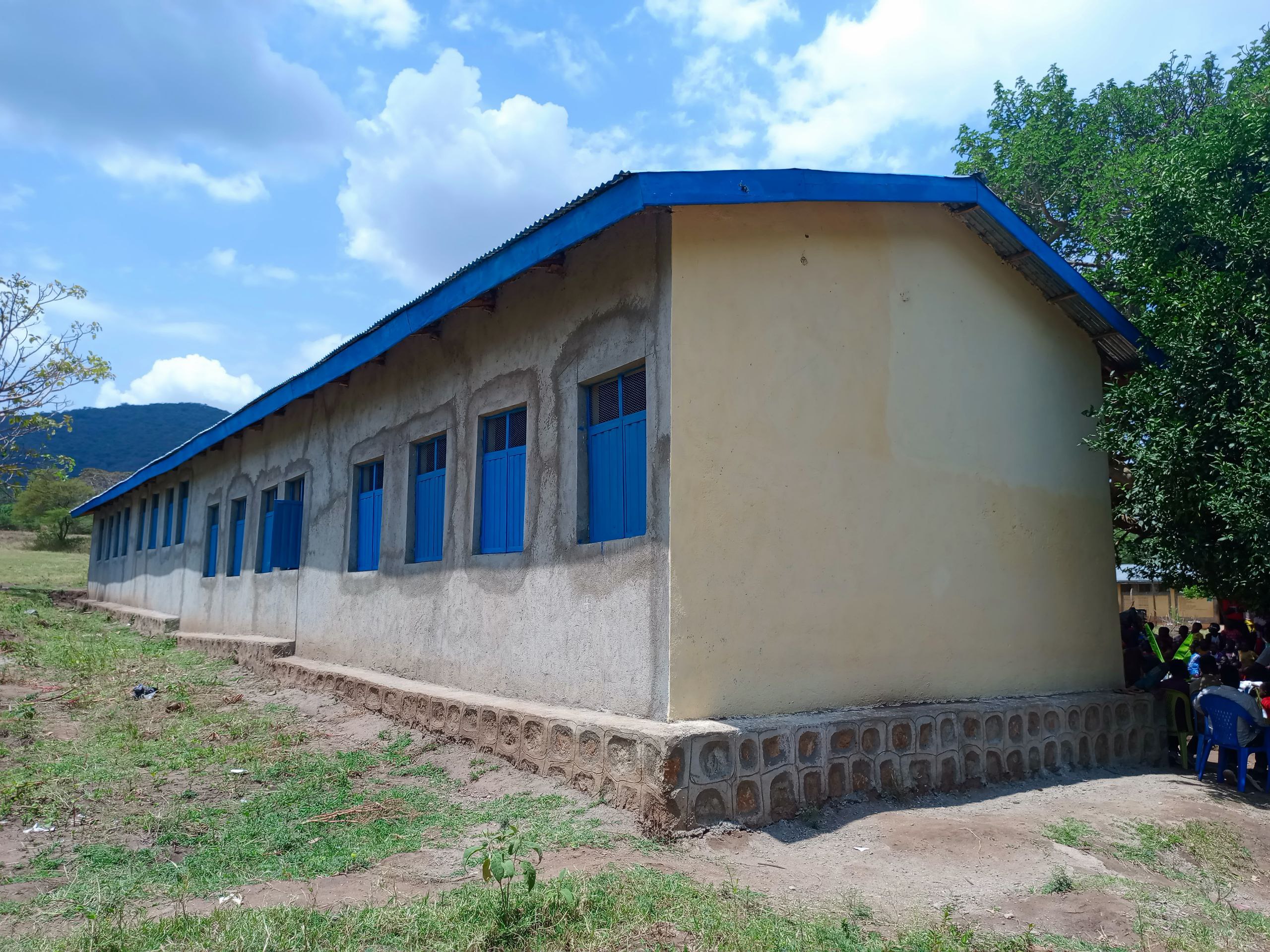
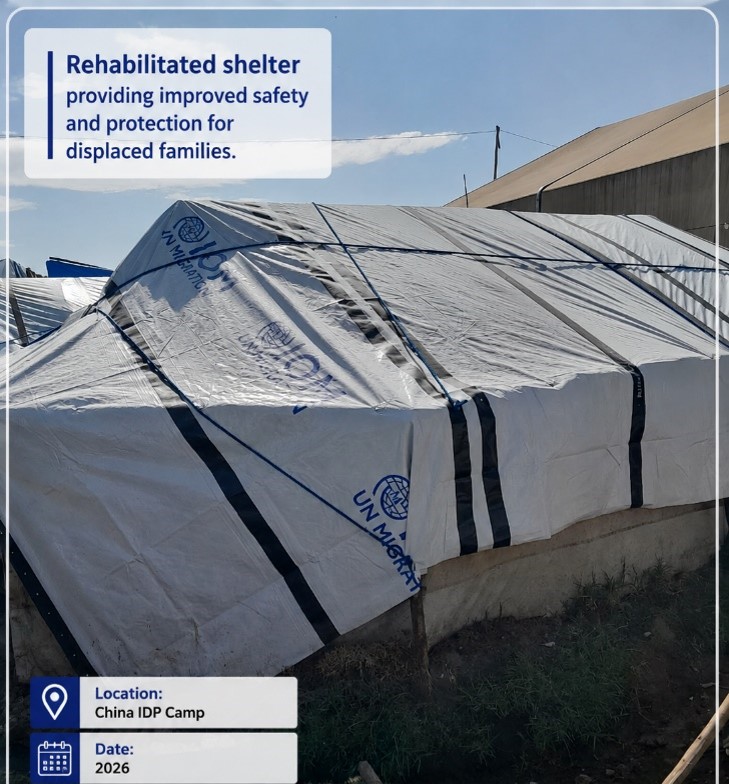
Responding to these urgent needs, the Center of Concern (CoC), with financial support from the Ethiopia Humanitarian Fund (EHF), rehabilitated 30 severely damaged emergency shelters at China IDP Camp. The rehabilitation works included replacing damaged roofing materials, repairing walls and structural frames, reinforcing doors and windows, and improving the overall safety, durability, and weather resistance of each shelter.
The intervention benefited more than 150 internally displaced people, including over 130 women, children, older persons, and people with disabilities, who are among the camp’s most vulnerable residents.
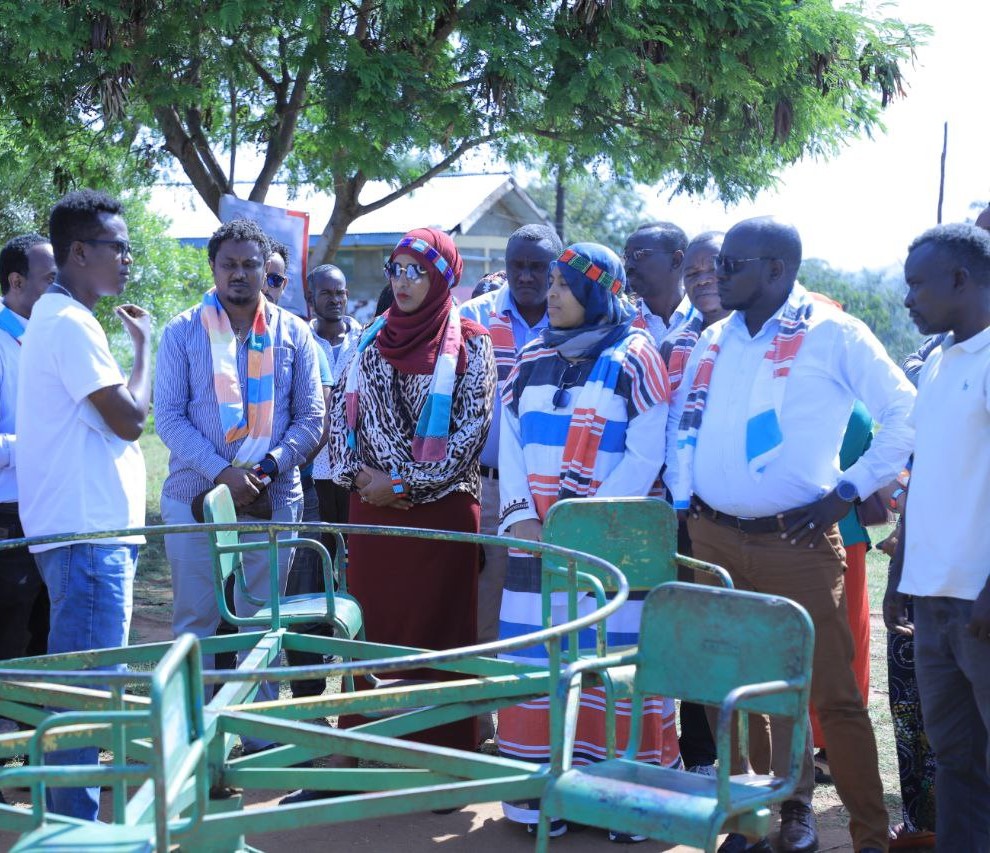
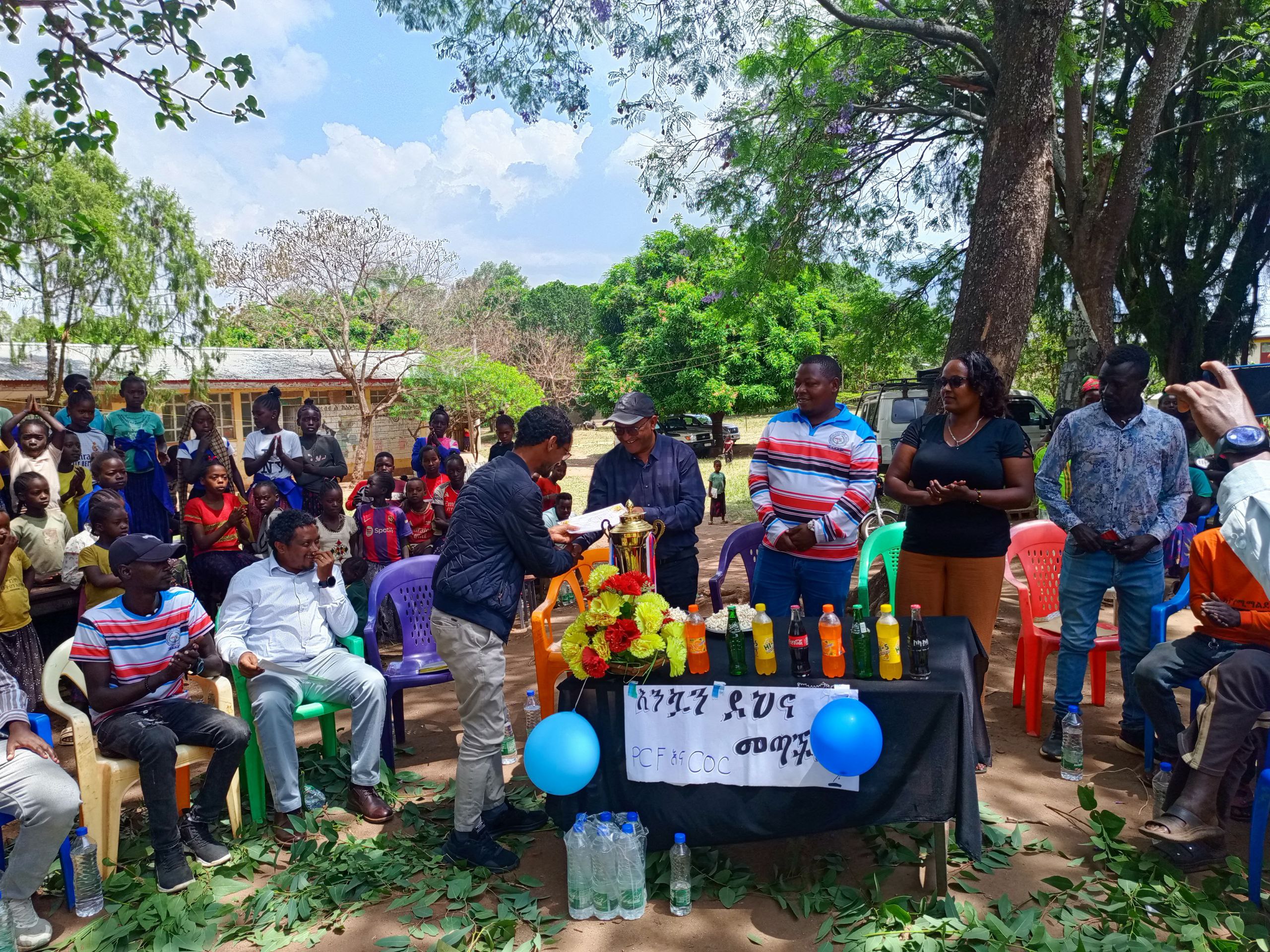
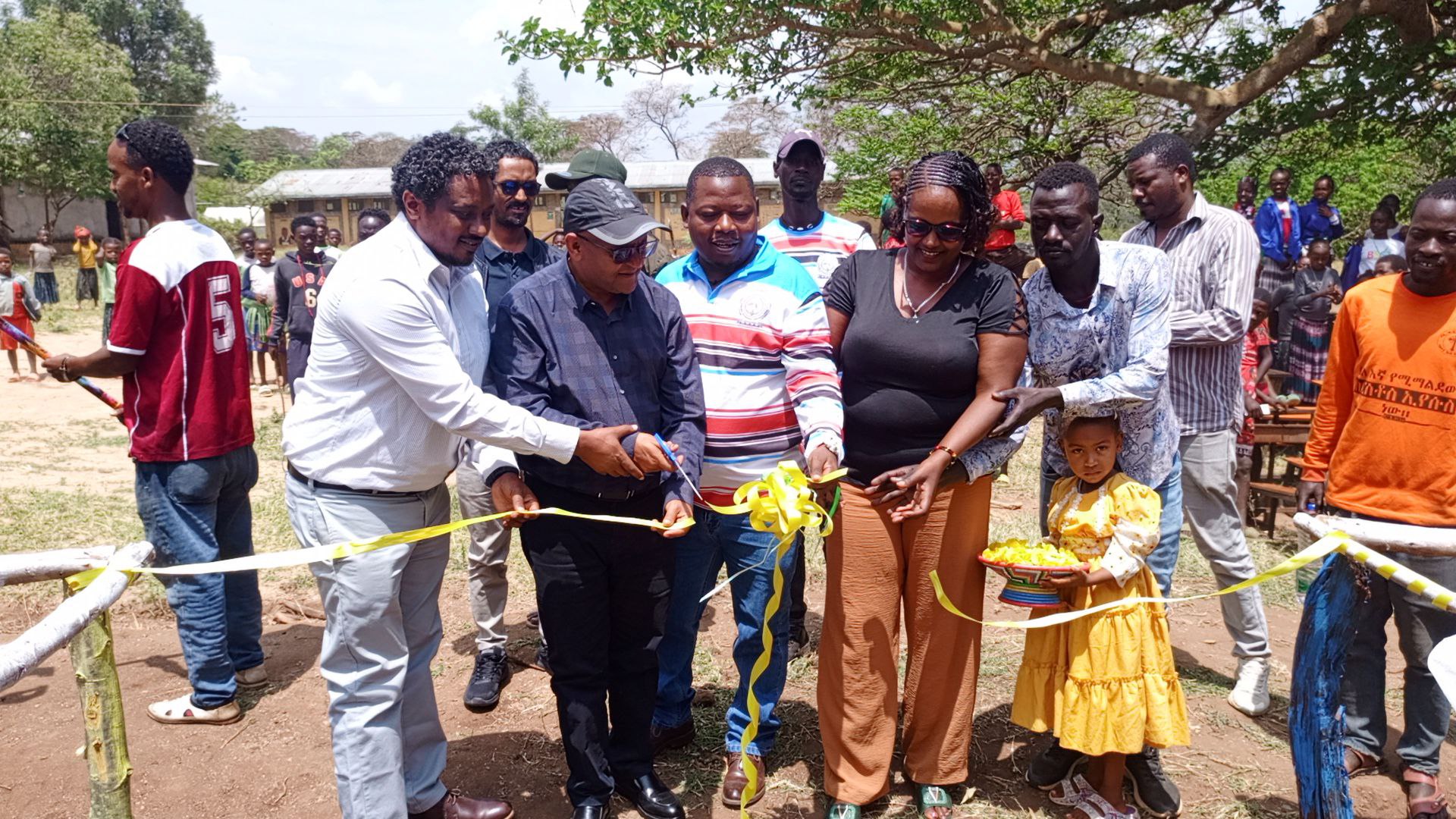
A defining feature of the intervention was the active participation of the displaced community itself. Rather than being passive recipients of assistance, IDP community members worked alongside the project by cleaning rehabilitation sites, digging drainage ditches around shelters to improve water runoff, removing debris, and supporting site preparation. Their participation not only accelerated implementation but also strengthened ownership, accountability, and solidarity within the camp. The rehabilitation was carried out in close collaboration with camp management committees, local authorities, and community representatives, ensuring that assistance reached households with the greatest needs while maintaining transparency throughout the process.
Lasting Impact Beyond Physical Structures
The rehabilitation of the 30 shelters has delivered benefits that extend well beyond improved housing.
Families now live in safer, stronger, and more weather-resistant shelters that protect them from rain, wind, and cold temperatures. Dry and secure living spaces have improved health conditions, reduced exposure to protection risks, restored privacy, and created a more dignified environment for displaced households. Parents report greater peace of mind knowing that their children can sleep safely during heavy rains without fear of leaking roofs or collapsing structures. Children are now better able to keep their school materials dry and continue their education with fewer disruptions. Secure shelters have also enabled some households to safely store personal belongings and small livelihood assets, supporting their gradual recovery and resilience.
For many families, the intervention has reduced the constant stress associated with daily survival, allowing them to focus on rebuilding their lives while awaiting durable solutions.
As one beneficiary shared:
“A repaired shelter is more than a roof over our heads – it has restored our dignity, protected our children, and given us hope for a better tomorrow.”
Lessons Learned
The rehabilitation of shelters at China IDP Camp demonstrated that relatively modest investments in shelter improvements can generate significant humanitarian outcomes when combined with meaningful community participation.
By engaging displaced families throughout implementation and working closely with camp management structures and local authorities, the intervention strengthened community ownership, enhanced accountability, and ensured that assistance responded to the priorities identified by the affected population.
Beyond restoring physical structures, the project restored safety, dignity, confidence, and hope for some of the camp’s most vulnerable households. It also highlighted the importance of integrating shelter rehabilitation within broader multisectoral humanitarian responses, where safe shelter serves as a foundation for improved health, protection, education, and livelihoods. Through this intervention, the Center of Concern reaffirmed its commitment to delivering people-centered humanitarian assistance that not only addresses immediate needs but also supports displaced families on their journey toward recovery and resilience.