For Aster, every rainy season brought fear instead of relief. What should have been a blessing for farmers reminded her of everything she had lost.
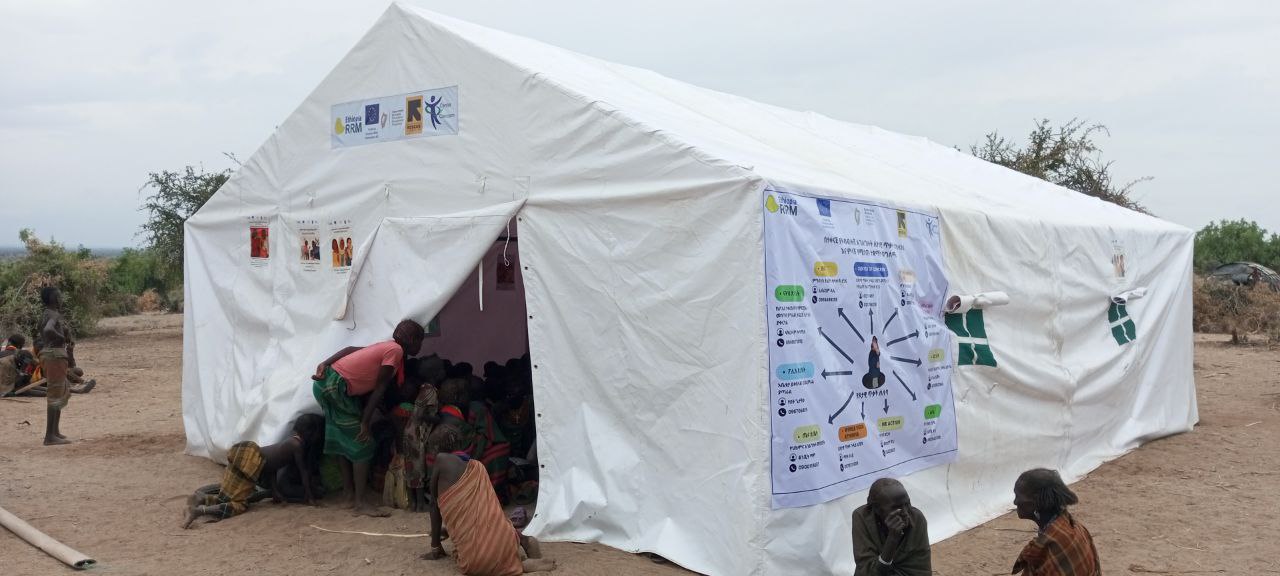
Before conflict forced her to flee her home in Gobo Sayo Woreda of East Wollega Zone in Oromia Region, Aster was a farmer. Together with her husband, they cultivated their land and dreamed of giving their four children a better future. Those dreams were shattered when conflict displaced the family from their home. During the violence, Aster lost her husband, leaving her to shoulder the responsibility of raising their four children, now aged between seven and fourteen, her own. The family eventually found refuge at China IDP Camp in Debre Birhan, where they have spent years living in an emergency shelter that gradually deteriorated under continuous exposure to rain, wind, and harsh weather. Since arriving at China IDP Camp in October 2022, Aster and her four children have lived in an emergency shelter that gradually deteriorated under continuous exposure to rain, wind, and harsh weather. For nearly four years, the fragile shelter was the only place the family could call home.
Life inside the shelter became increasingly difficult. During every rainy season, water leaked through the torn roof and pooled on the floor, soaking mattresses, blankets, clothing, and the children’s school materials. Stored food was frequently ruined, while constant dampness created breeding grounds for insects. Wet firewood and the lack of a dry cooking space often meant the family could not prepare hot meals. The persistent moisture also caused severe chills, coughs, and flu among the children, while the weak and partially open shelter left Aster constantly worried about their safety and exposed them to heightened risks of harassment and violence, especially at night.
One night remains permanently etched in her memory.
Heavy rain accompanied by strong winds battered the camp after midnight. Water collected on the fragile roof until the worn plastic sheeting tore apart and the main support pole snapped. Freezing rain poured directly onto her sleeping children as panic spread in the darkness. With nowhere to run and no immediate help available, Aster instinctively used her own body to shield her youngest child from the wind and rain while desperately trying to calm the others. The exposure to the cold and the physical strain left her seriously ill, requiring hospitalization for more than a week.
“I thought more about protecting my children than protecting myself,” she recalls. “That night was one of the hardest moments of my life.”
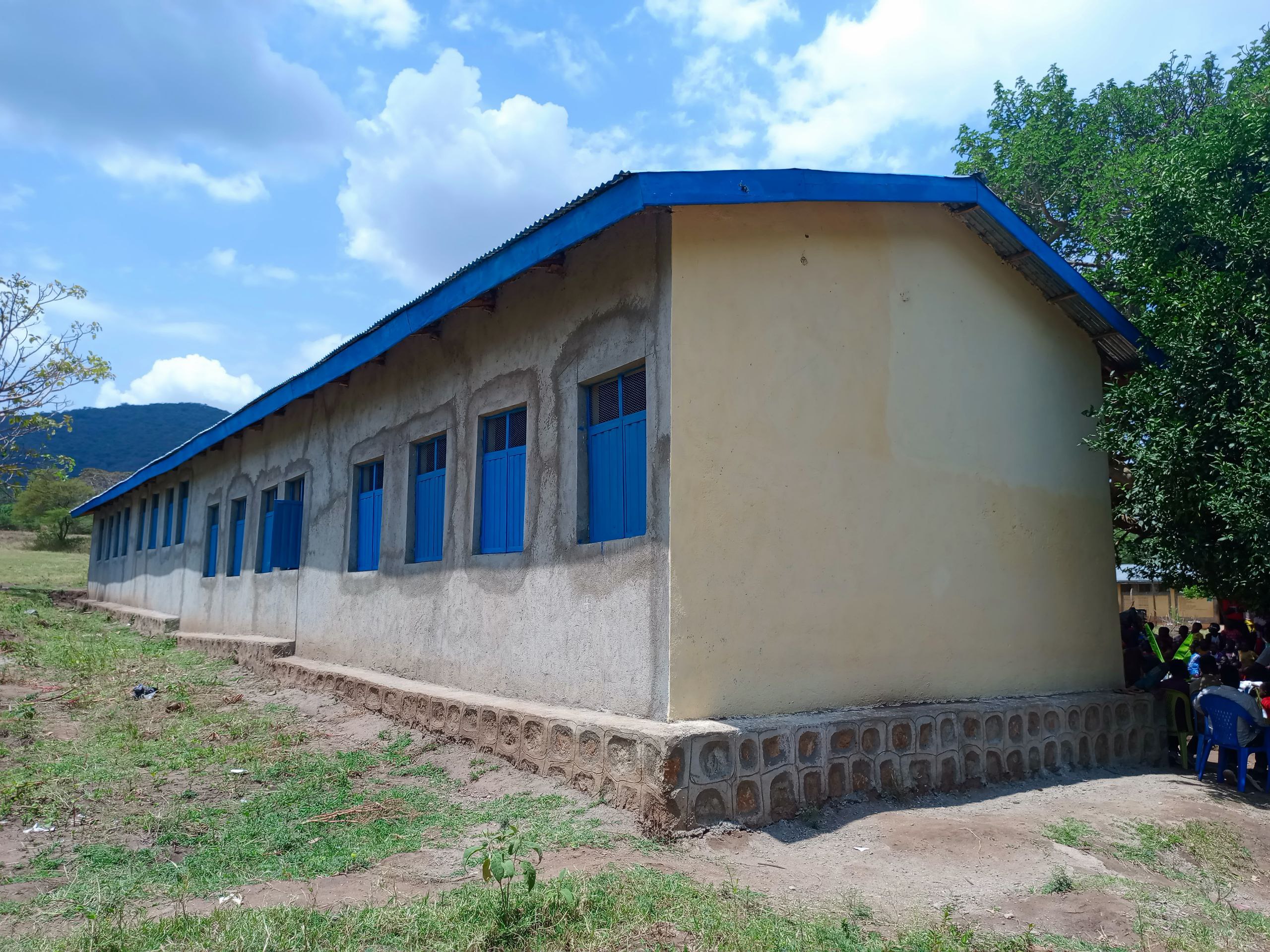
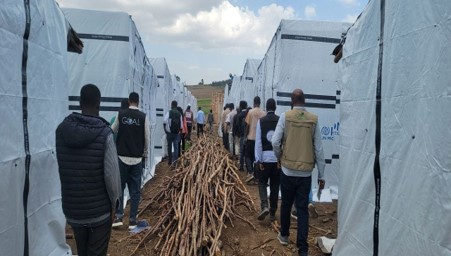
Recognizing the urgent needs of vulnerable families like Aster’s, Center of Concern (CoC), with financial support from the Ethiopia Humanitarian Fund (EHF), rehabilitated 30 severely damaged shelters at China IDP Camp as part of its “Multisectoral Response to Internally Displaced Persons (IDPs) in Debre Birhan” project activity. The intervention included replacing damaged roofing materials, repairing walls and structural frames, strengthening doors and windows, and improving the overall safety and durability of the shelters. Camp management committees, local authorities, and community representatives actively participated throughout the rehabilitation process, ensuring that the most vulnerable households were prioritized. For Aster, the impact was immediate and profound.
The rehabilitated shelter transformed her life by replacing constant survival anxiety with a sense of physical security and emotional stability. Her family now sleeps in a dry, weather-resistant shelter where the children no longer wake up frightened whenever rain begins. Their bedding remains dry, their clothes can be safely stored, and the children are able to keep their schoolbooks and educational materials protected.
Most importantly, Aster says she has regained peace of mind.
“The rain no longer controls our lives,” she says. “Today, my children sleep safely and warmly.
We no longer spend the night trying to save our blankets or our food. This shelter has given us safety, dignity, and hope again.”
The improved shelter has also created new opportunities for recovery. With a secure place to store small goods, Aster has started a modest home-based business that provides additional income to support her family. Although the earnings are small, they represent an important step toward rebuilding her independence and reducing her reliance on humanitarian assistance.
While life in displacement remains uncertain, Aster continues to look to the future with hope. Above all, she dreams of one day returning to Gobo Sayo, cultivating her farmland once again, and watching her children grow up in peace.
“I still dream of going home,” she says. “I want to farm my land again and see my children grow up in a place where they can live without fear. Until that day comes, this shelter has given us the safety and strength to keep moving forward.” Aster’s story illustrates that shelter rehabilitation is about far more than repairing physical structures. A safe shelter restores dignity, protects health, reduces protection risks, and creates the stability families need to begin rebuilding their lives. For Aster, it has also opened the door to earning a modest income through a home-based business while allowing her children to study, sleep, and dream in safety. Through the rehabilitation of 30 damaged shelters at China IDP Camp, the Center of Concern, with support from the Ethiopia Humanitarian Fund, has helped some of the camp’s most vulnerable families move beyond daily survival and take important first steps toward recovery and self-reliance.