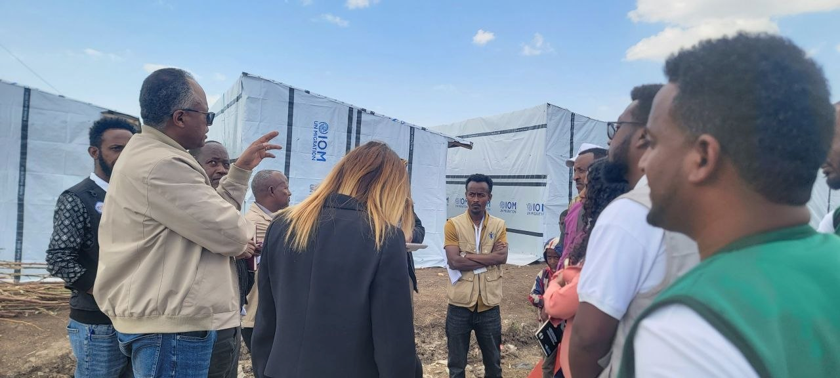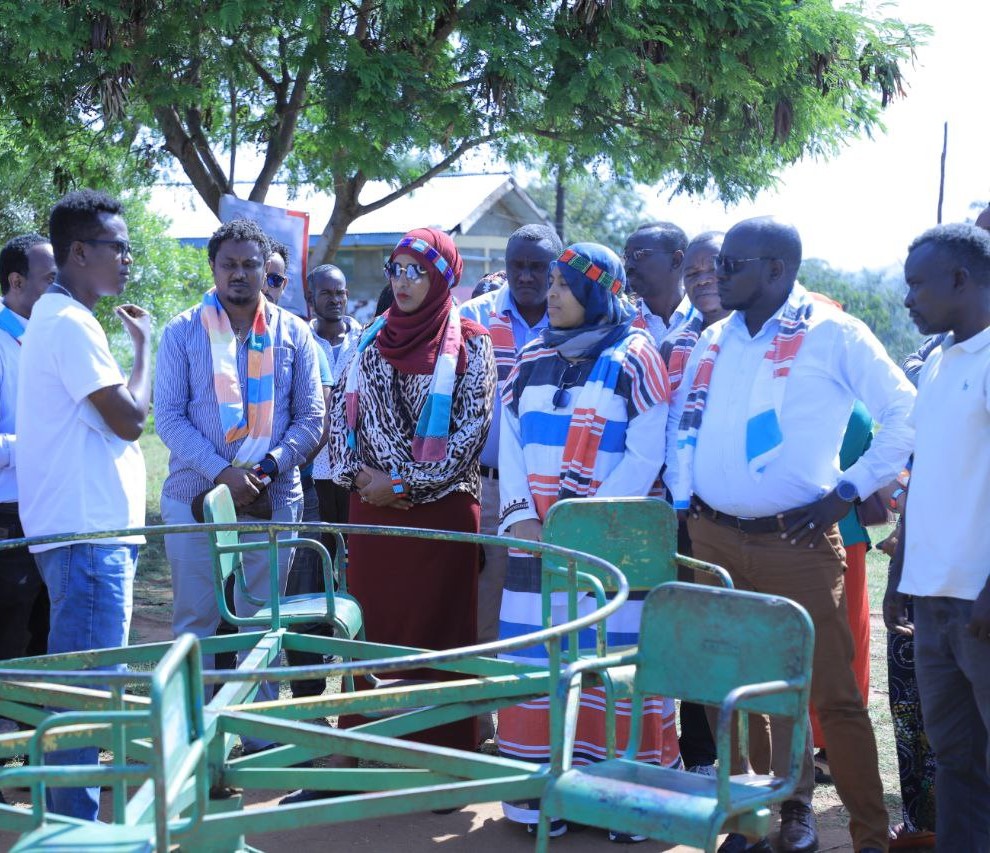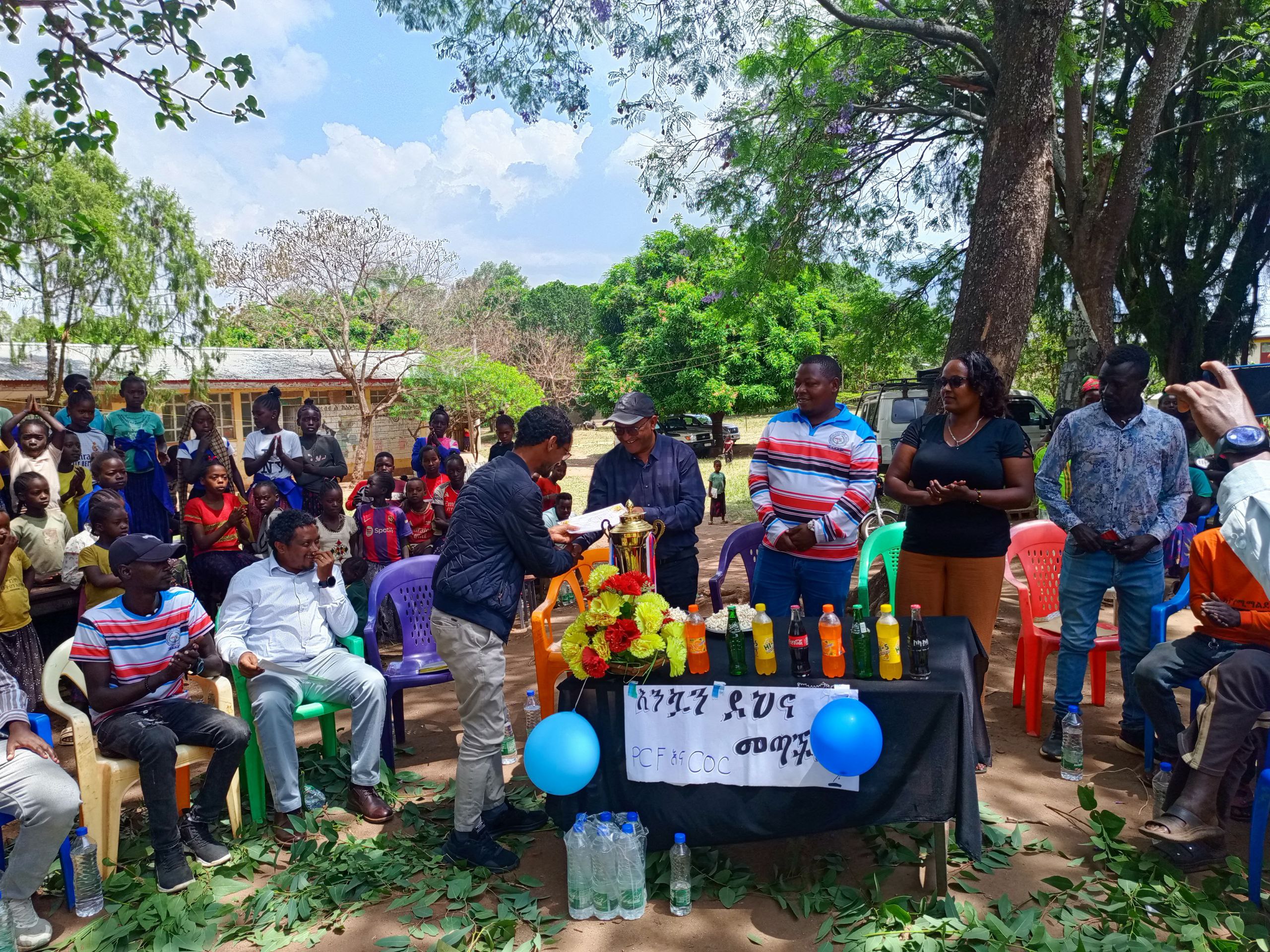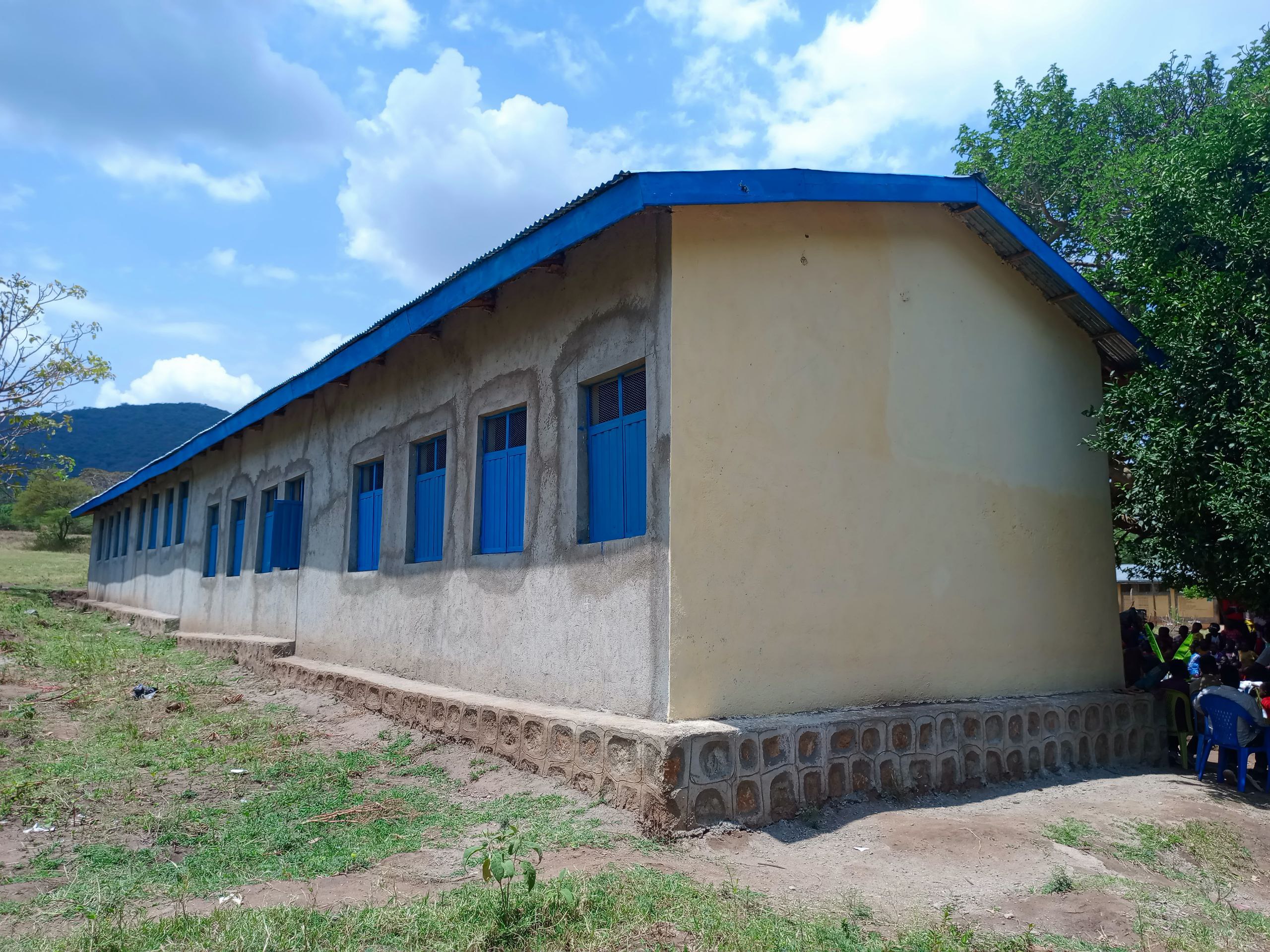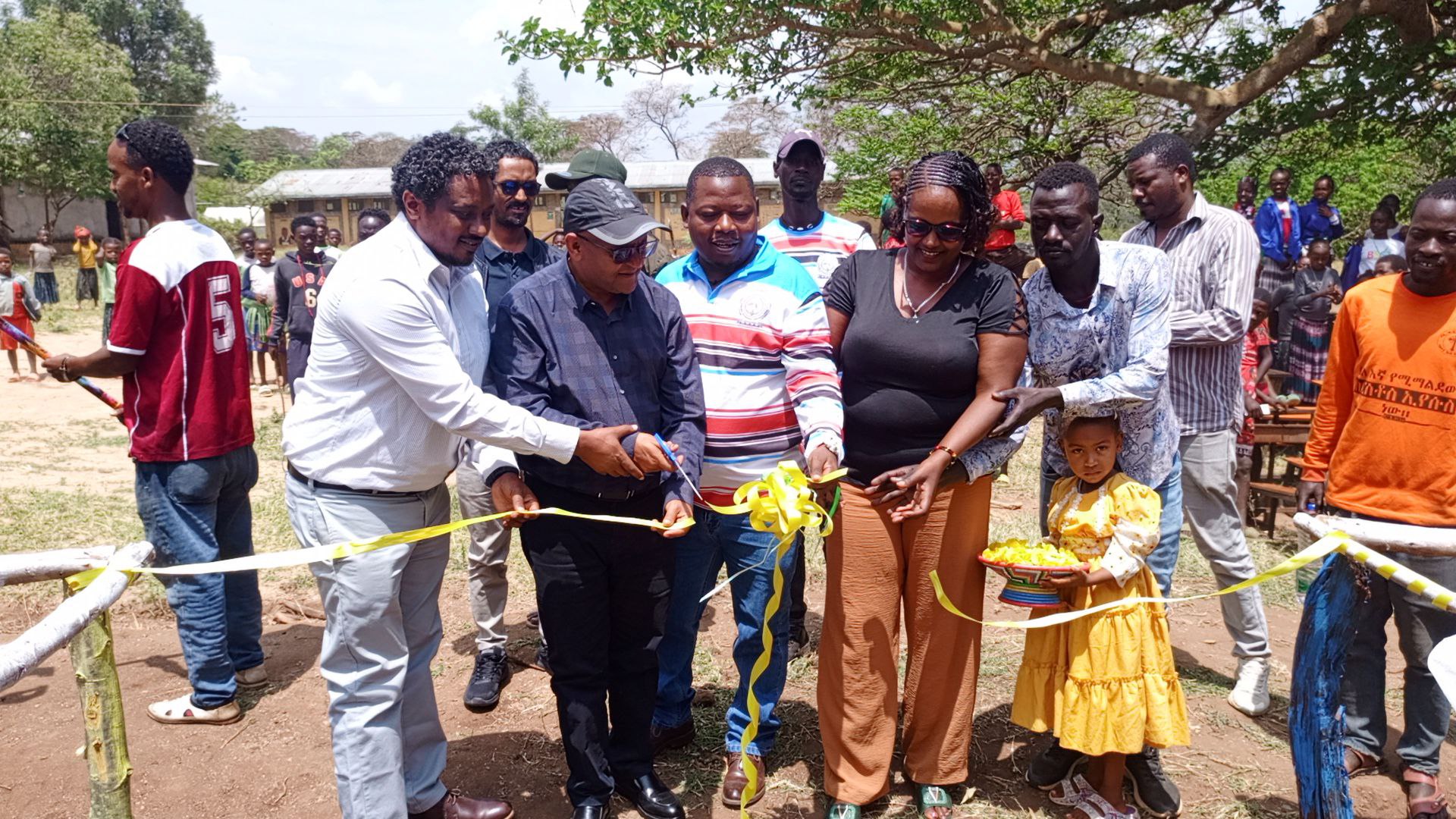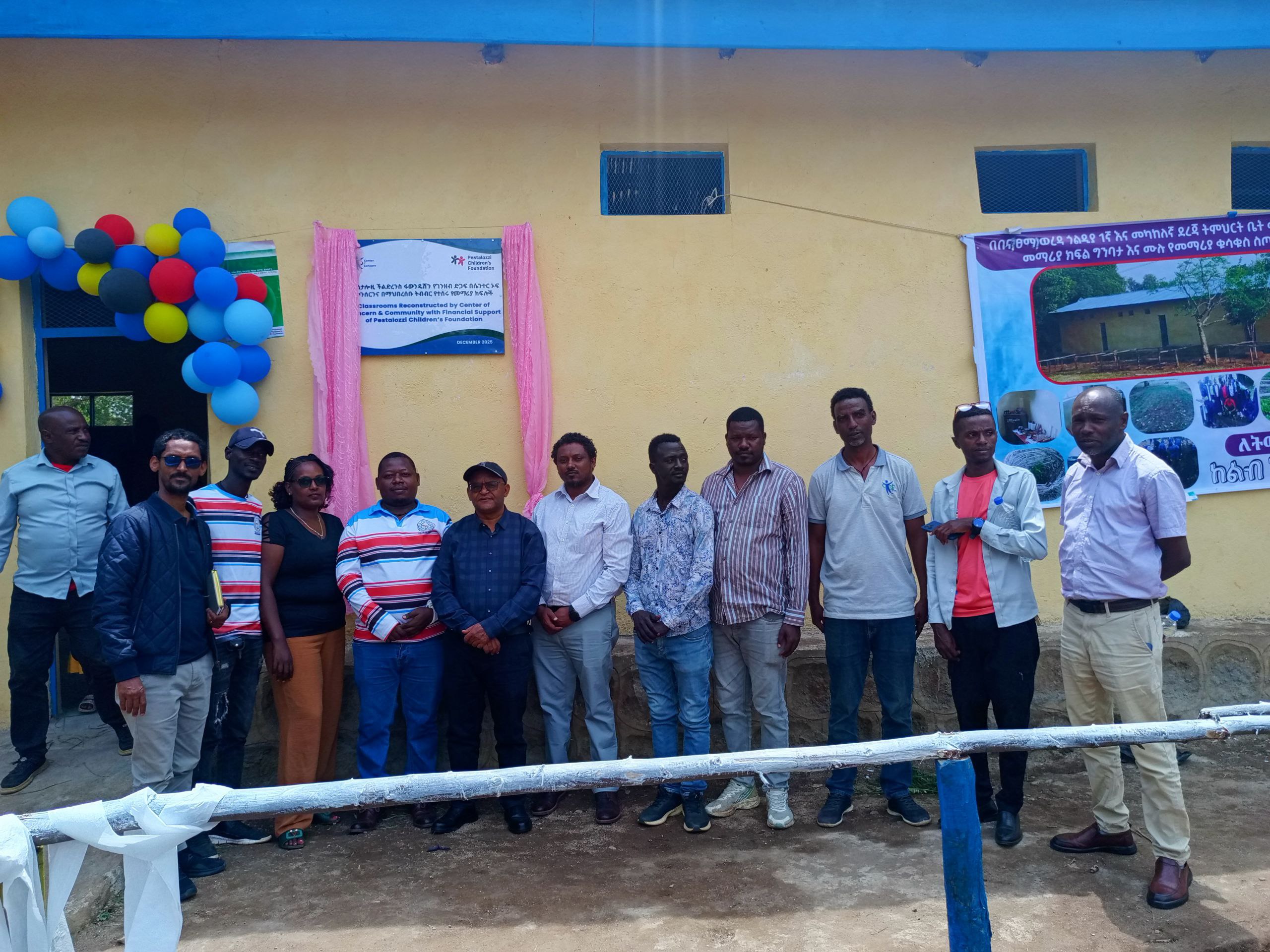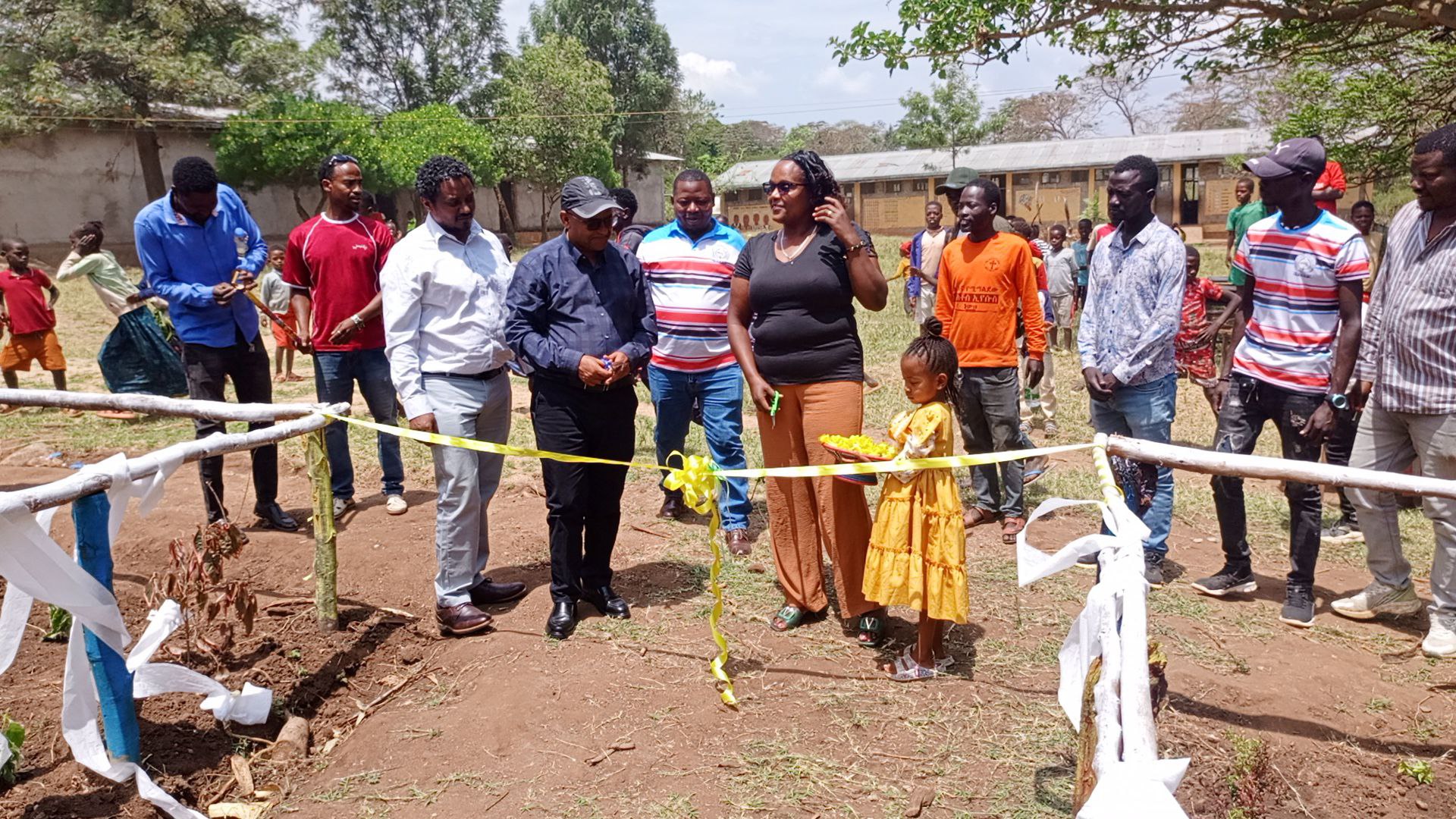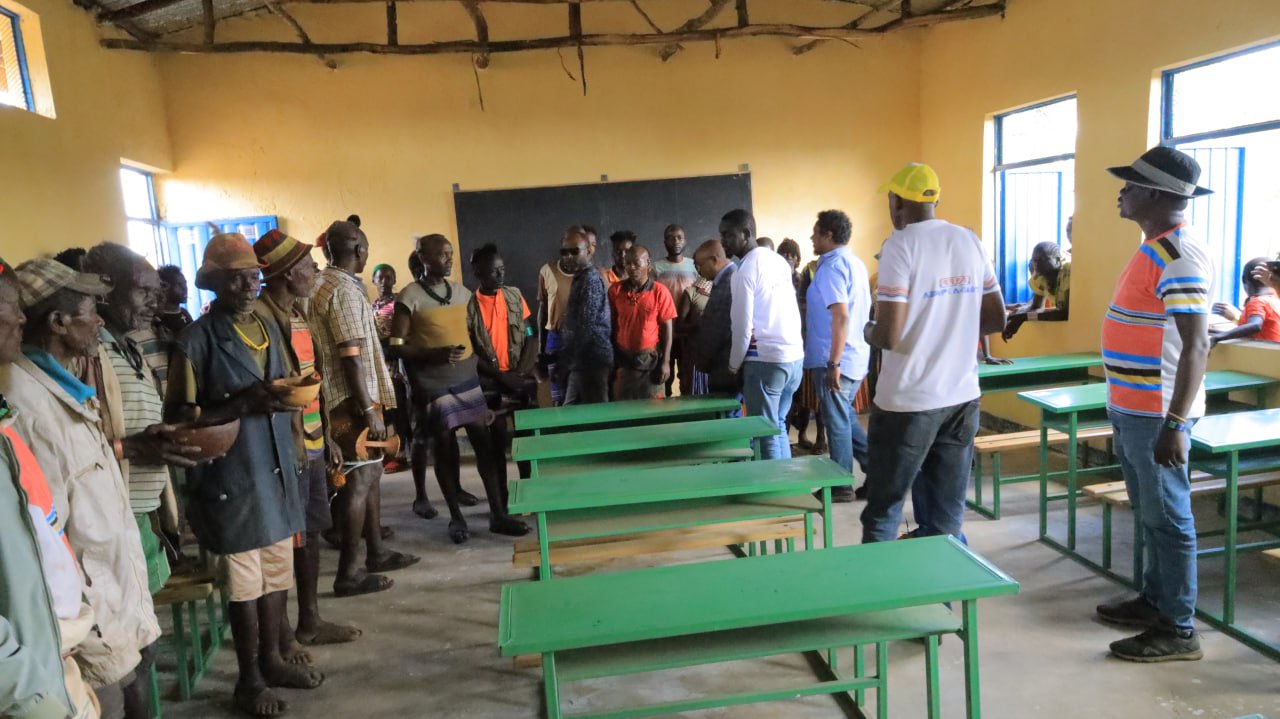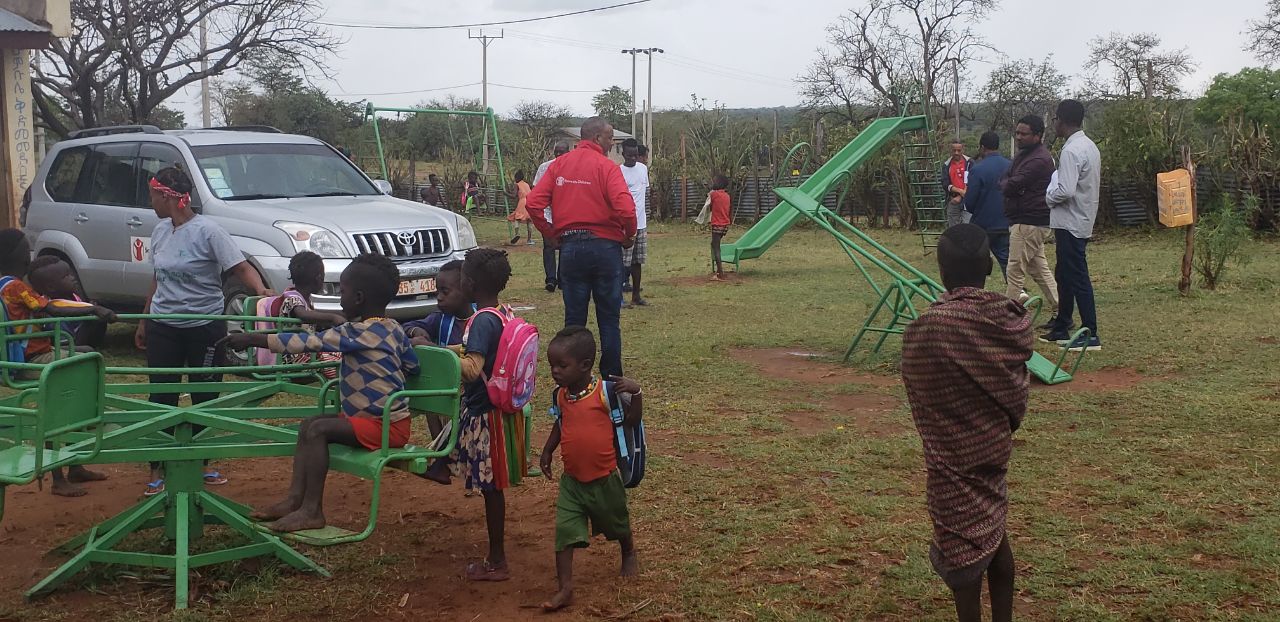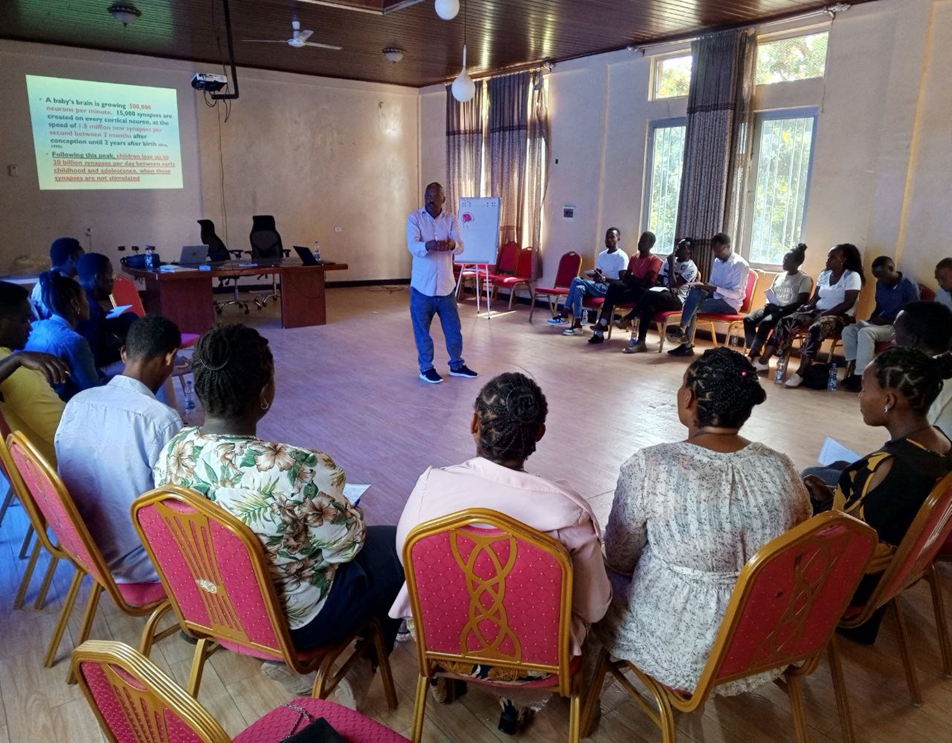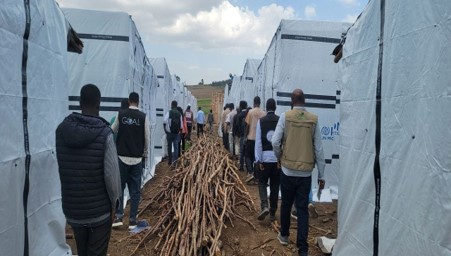
Representatives from UN OCHA, the Ethiopia Humanitarian Fund (EHF), local authorities, and humanitarian organizations conducted a two-day field mission from May 14–15, 2026, to displacement sites in Debre Birhan Town, North Shewa Zone of the Amhara Region. The mission aimed to assess ongoing humanitarian interventions, identify operational challenges, strengthen coordination among response actors, and introduce a new Area-Based Coordination (ABC) approach to improve service delivery for internally displaced persons (IDPs).
As the Camp Coordination and Camp Management (CCCM) coordinating agency for Debre Birhan, Center of Concern (CoC) facilitated the two-day mission and supported engagement among humanitarian actors, local authorities, and displaced communities. The delegation visited China Camp, Weynishet Camp, and Bakelo IDP Site to observe ongoing humanitarian interventions, discuss challenges with stakeholders, and identify ways to improve the quality and coordination of assistance for internally displaced persons (IDPs).
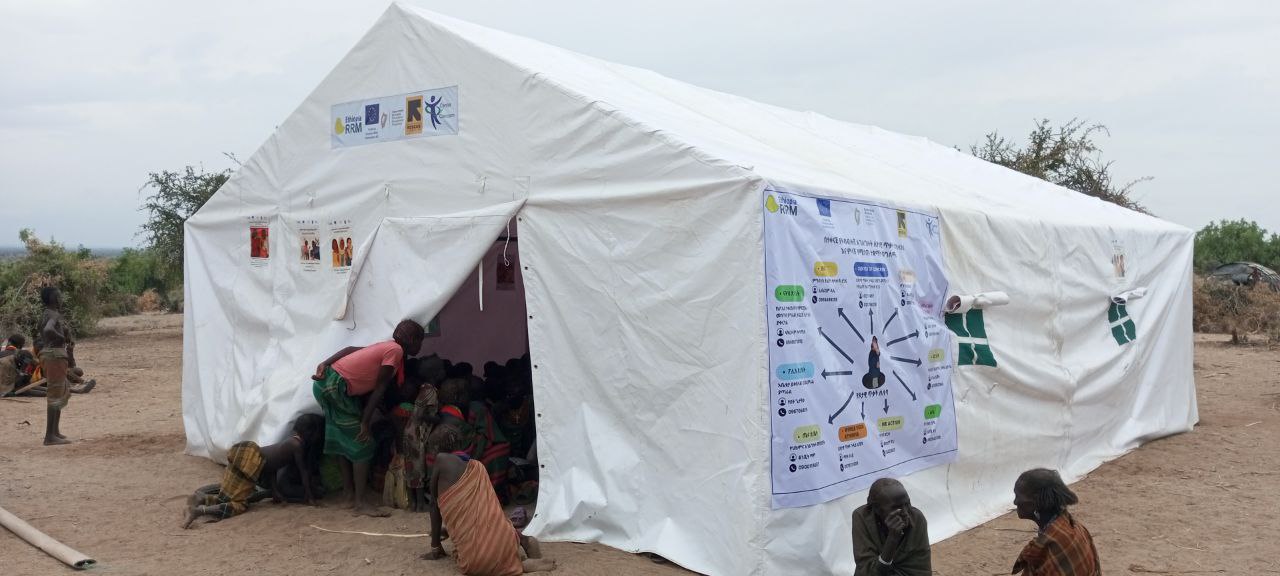
Shelter Progress at China Camp
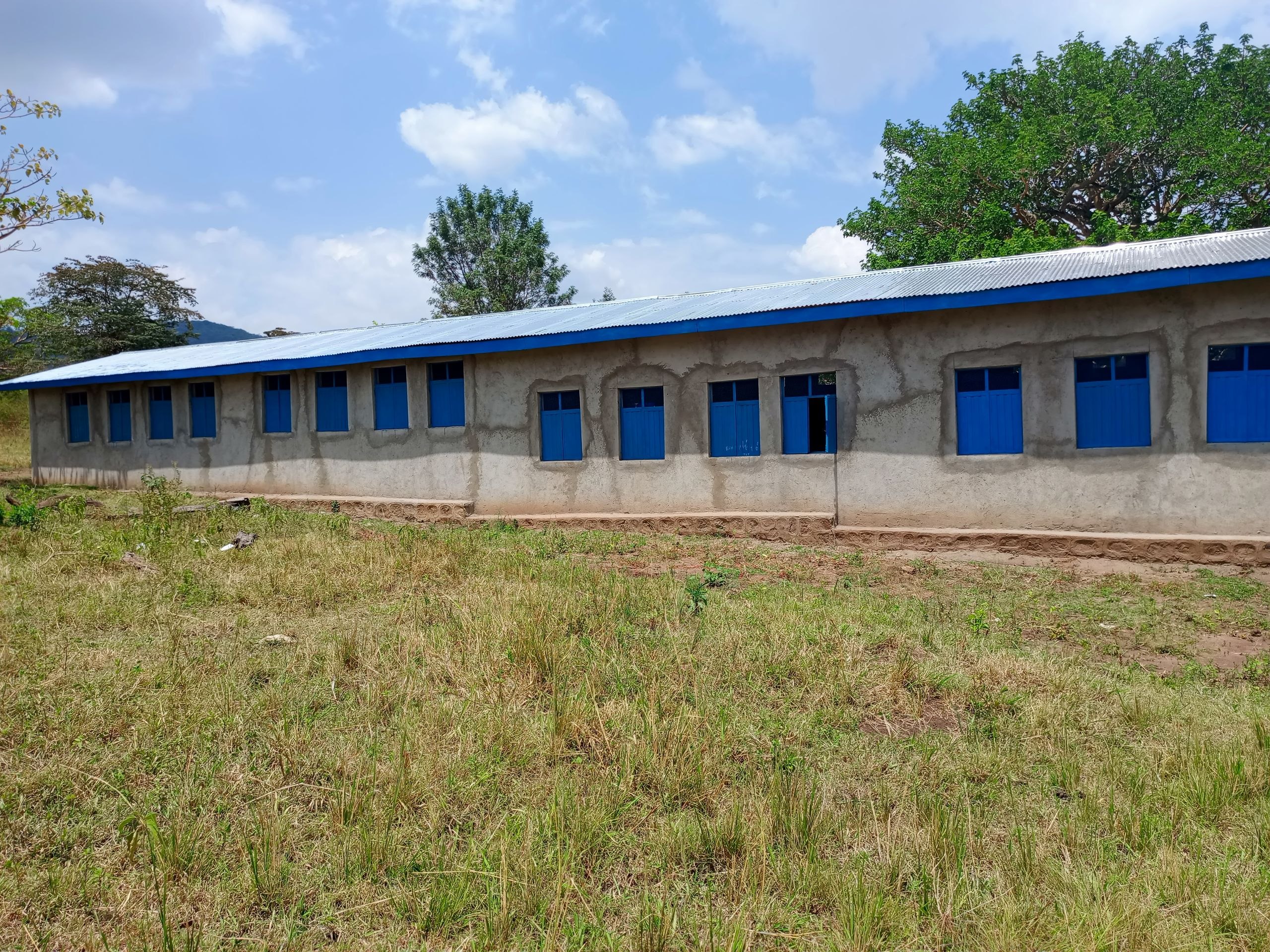
At China Camp, partners reviewed progress in shelter construction and discussed ongoing operational challenges. In line with technical recommendations and Sphere shelter standards, the shelter plan was adjusted from 73 to 64 shelters, expected to accommodate 384 households.
To date, 48 shelters have been completed, while the remaining shelters are expected to be finalized in the coming weeks. Resources have also been secured for the construction of nine additional shelters.
Despite this progress, challenges related to limited land availability, fuel access constraints, and increasing congestion continue to affect service delivery. Discussions were held with local authorities regarding options for securing additional land to address growing shelter needs.
Growing Pressure on Services at Weynishet Camp
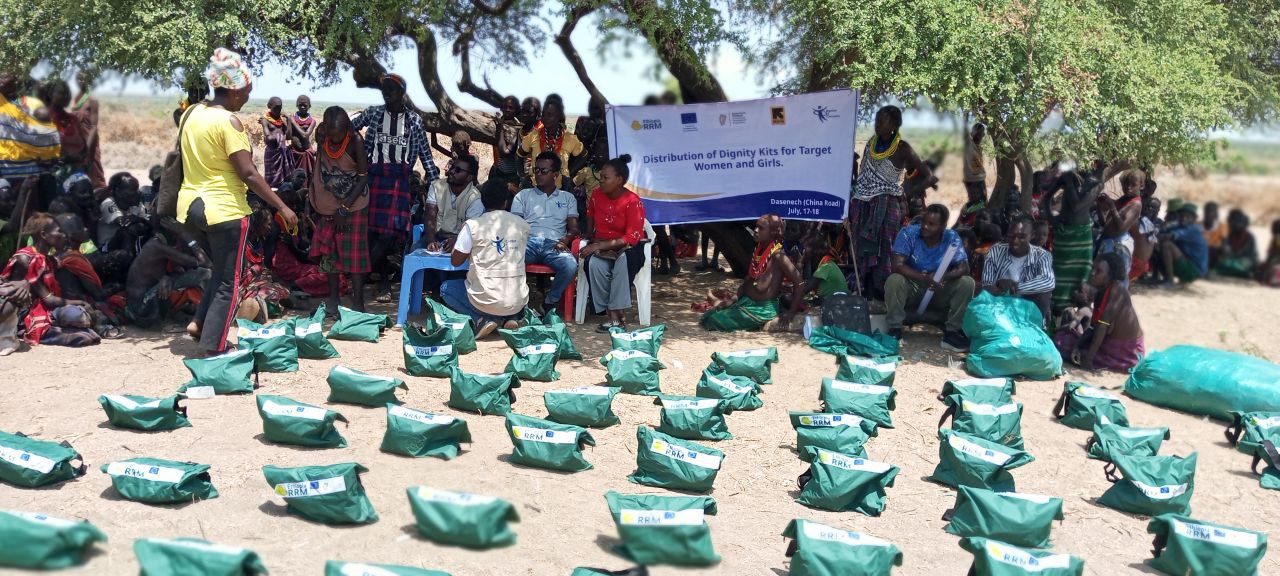
The visit to Weynishet Camp highlighted the increasing strain on essential services due to the arrival of newly displaced families. Shelter overcrowding, gaps in water, sanitation and hygiene (WASH) services, and limited availability of dignity kits were among the key concerns identified.
Humanitarian partners emphasized the importance of stronger coordination, improved information sharing, and additional resource mobilization to ensure assistance reaches affected households efficiently and equitably.
Livelihood Activities Bringing Hope at Bakelo IDP Site
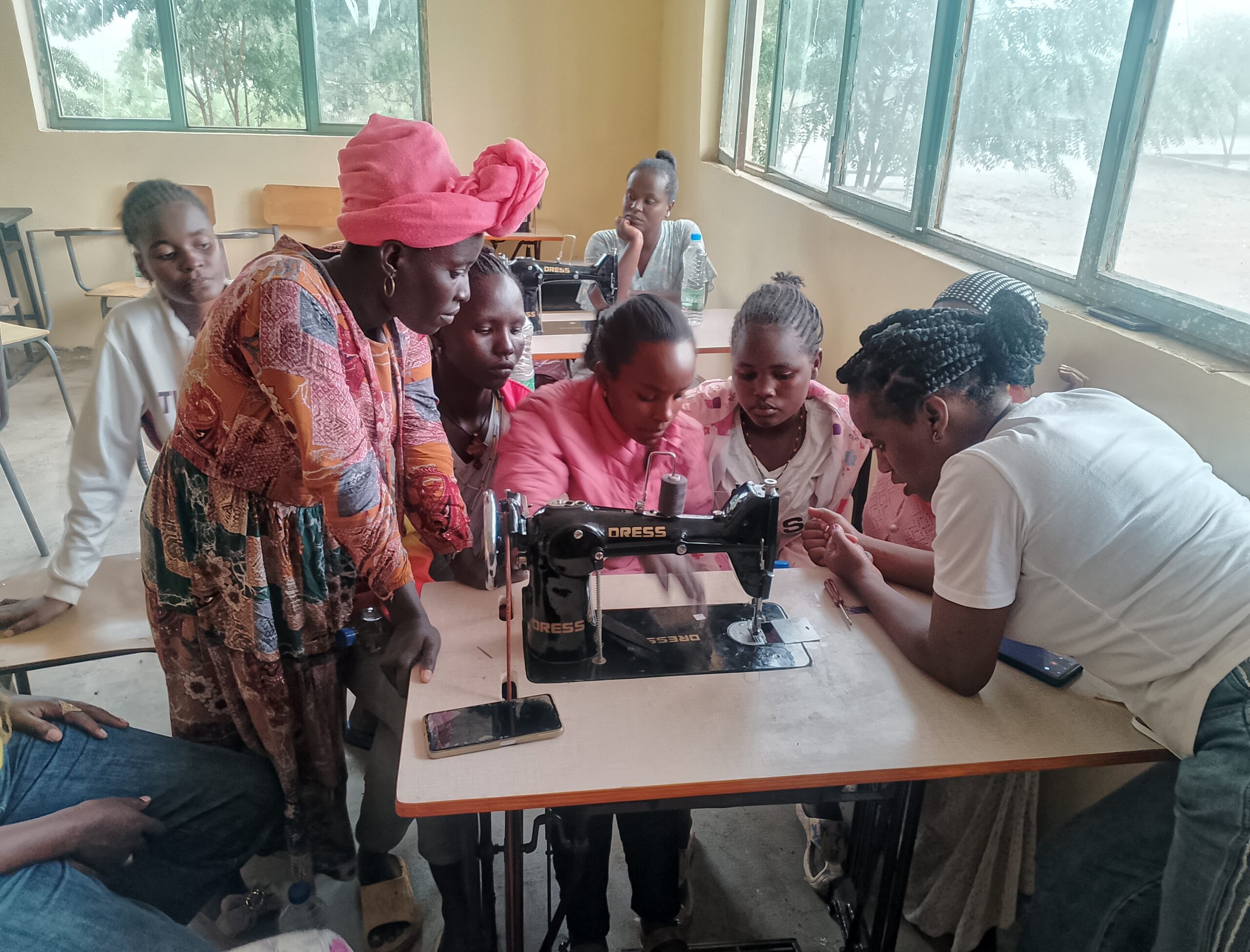
At Bakelo IDP Site, the delegation observed ongoing livelihood activities, including vegetable farming initiatives that are helping displaced households improve food access and strengthen their resilience.
While these efforts demonstrate positive progress, concerns remain regarding aging shelter infrastructure, increased vulnerability during the upcoming rainy season, and limited humanitarian partner presence compared to other displacement sites. Partners discussed the need for expanded livelihood programming and accelerated shelter rehabilitation efforts.
Introducing the Area-Based Coordination Approach
A major outcome of the mission was the introduction of the Area-Based Coordination (ABC) approach, a new coordination framework designed to strengthen localized humanitarian action and improve integrated service delivery. The ABC model seeks to enhance coordination among sectors, improve information sharing, and promote people-centered humanitarian response. Under the new arrangement, CCCM structures will continue functioning while overall coordination will transition to the broader ABC framework. GOAL Ethiopia will lead and support coordination meetings, while ESD will serve as the coordination secretariat.
Key Challenges and Priorities
Across all sites visited, several recurring challenges were identified, including land shortages, shelter congestion, WASH service gaps, fuel access constraints, limited dignity kits, aging shelters, and funding limitations.
Partners agreed on the need to prioritize shelter rehabilitation before the rainy season, strengthen WASH interventions, expand livelihood opportunities, and continue mobilizing resources to address growing humanitarian needs. The mission reaffirmed the collective commitment of humanitarian actors, local authorities, and donors to improving the lives of displaced populations and ensuring that vulnerable communities receive timely and coordinated support.